

PAT TESTING
Office equipment
Tools and machinery
electrical installations
appliances and fittings
FAQs: Why do I need PAT testing?
What is PAT testing?
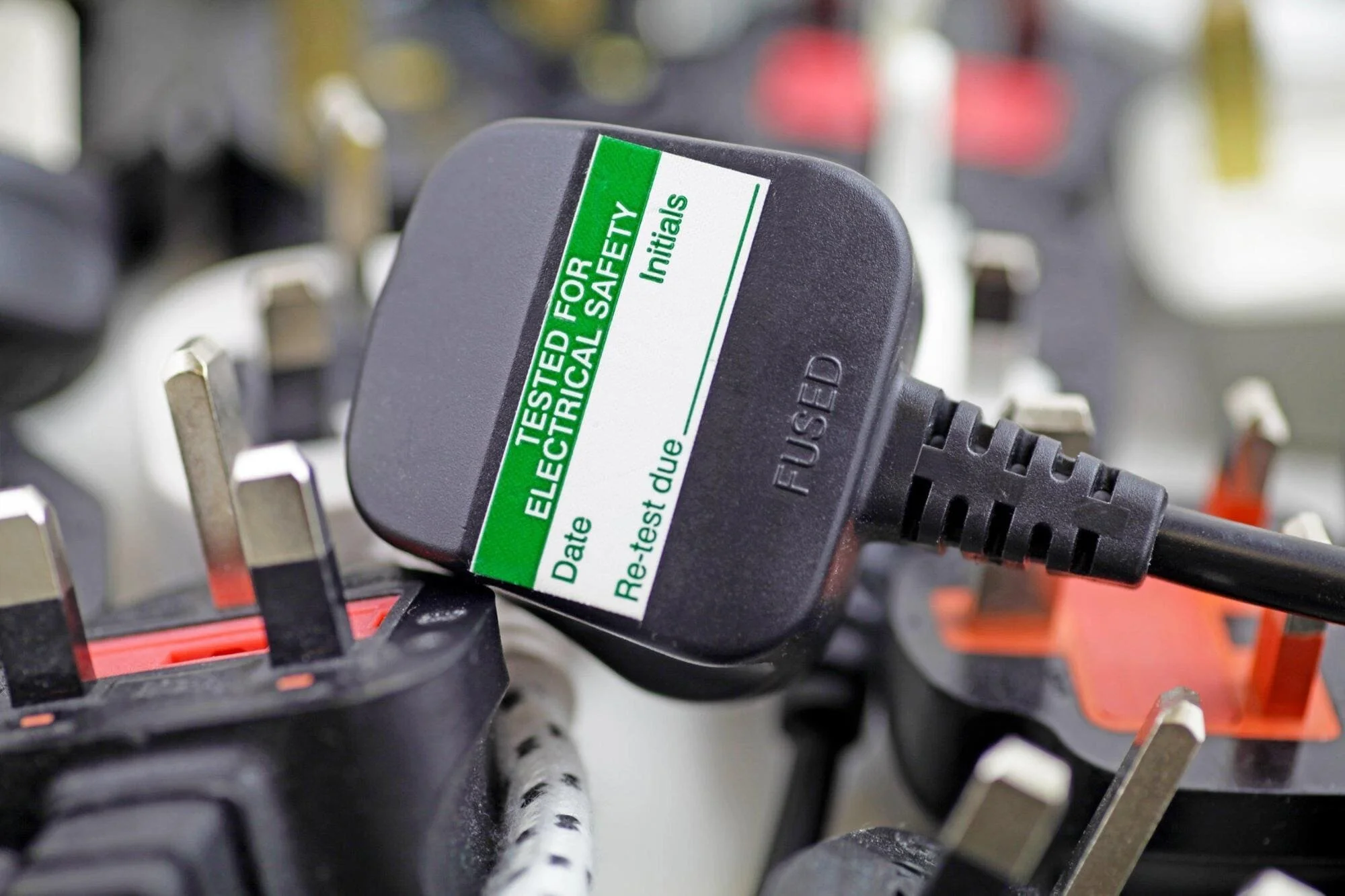
PAT stands for Portable Appliance Testing. It’s a combination of visual checks and electrical tests on plugs, leads and appliances to confirm they are safe to use. Some faults need test instruments, which is why a competent person carries out the combined inspection and tests.
Is PAT testing a legal requirement?
UK law requires employers and duty holders to keep electrical equipment safe, but it does not prescribe what to do, who must do it or how often. PAT is a recognised way to show you are maintaining equipment safely.
Who needs PAT testing?
Any workplace or organisation that uses plug-in electrical equipment should maintain it so it remains safe. That includes offices, shops, schools, healthcare settings, hospitality, workshops, construction, community venues and charities. Hire businesses should inspect and test before each hire. If you are self-employed and using electrical equipment for work, you have the same duty to keep it safe. PAT provides a practical, auditable way to fulfil these duties.
How often should I test?
There is no one-size-fits-all interval; test and inspection frequency should be based on risk. Factors include the environment, how often the item is moved or used, the likelihood of damage, the equipment type and your past test history. Low-risk office kit often needs far less frequent testing than tools on a construction site. Common practice is to test once a year, prioritising the higher-risk items during each visit.
Who can carry out PAT?
A “competent person” can do it. In some low-risk workplaces, trained staff may carry out simple visual inspections. Combined inspection and testing needs someone with the right training, knowledge and test equipment who can interpret results correctly. Many businesses choose a specialist contractor like Mike Clark to best handle compliance and record-keeping.
What are The benefits?
Reduces the risk of electric shock and electrical fire.
Demonstrates compliance with the Electricity at Work Regulations 1989 duty to maintain equipment safely.
Supports insurance and audit requirements with clear records.
Why Mike Clark?
Top-quality PAT Testing with industry-leading knowledge
Full written report after each visit
Recommendations for improvements and corrective actions
Professional, friendly service every time
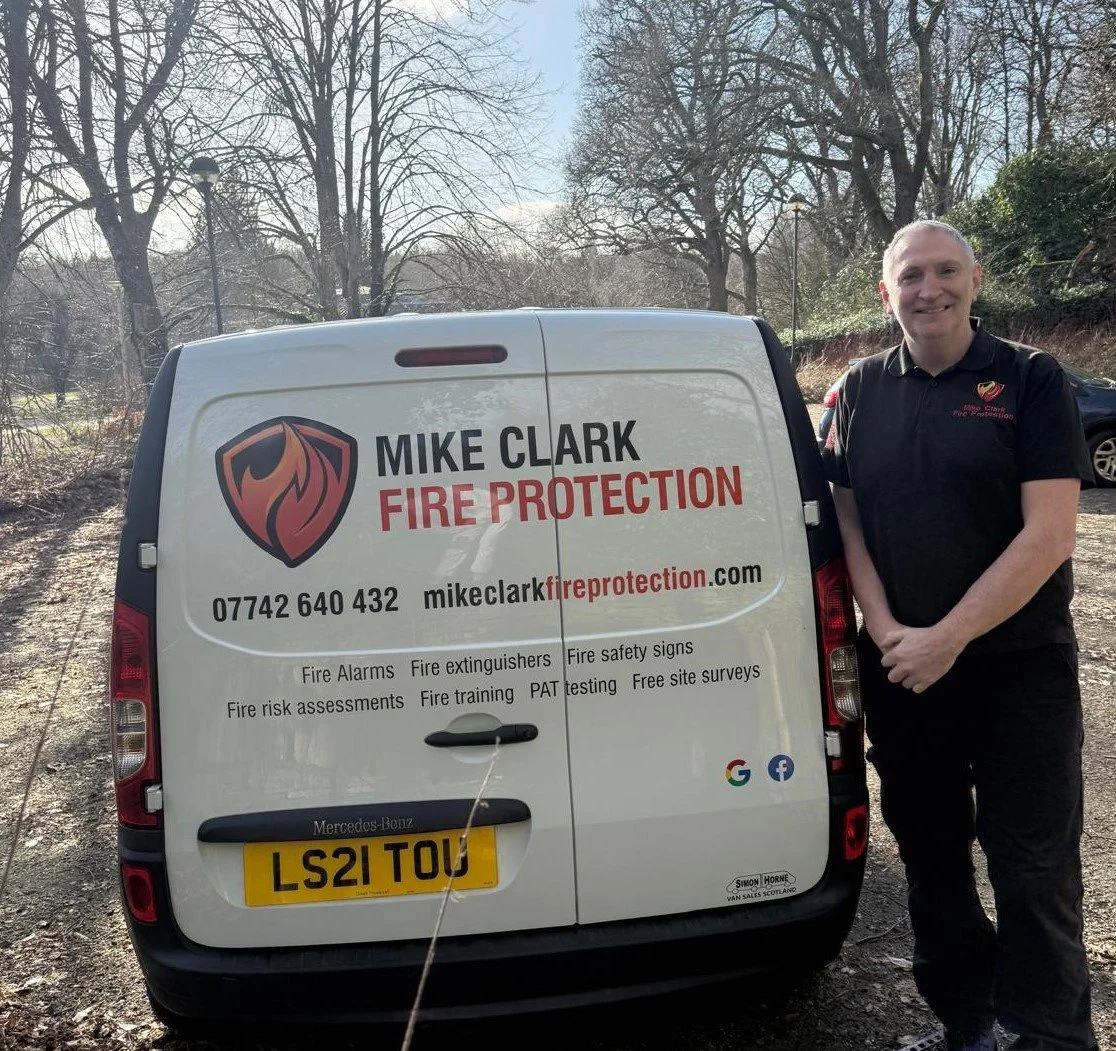
Proud Dundonian with excellent local knowledge and contacts

Need help with pat?
Get in touch.